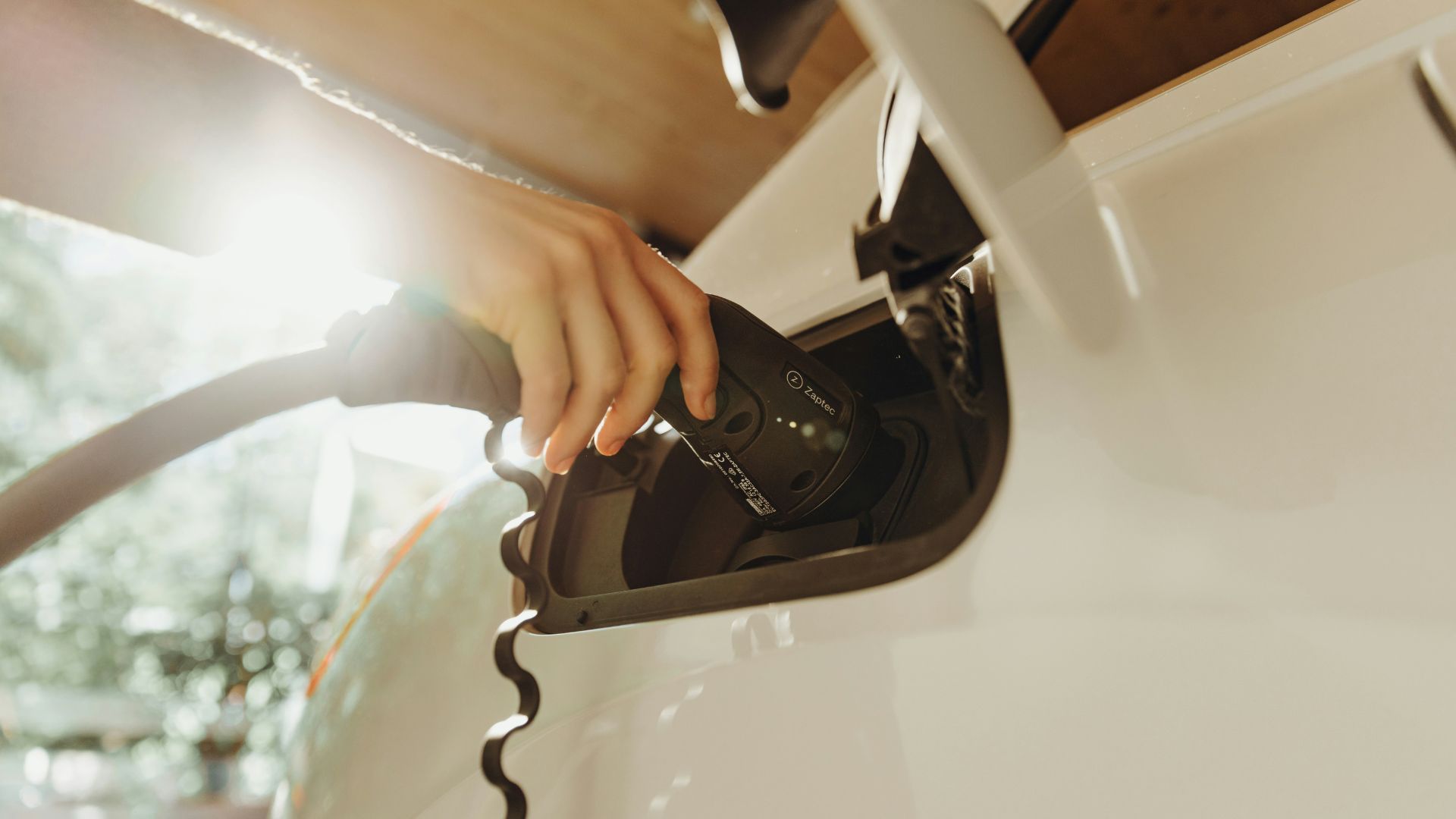
Best EV Chargers for Home in Colorado
Our picks for Colorado homes
Best overall: ChargePoint Home Flex, for adjustable amperage and the most reliable app.
Best for cold: Grizzl-E Classic, rated to minus 22 Fahrenheit with no electronics to fail.
Best for a tight panel: Emporia Pro, whose load management can avoid a service upgrade.
Best for Tesla: Tesla Wall Connector, or the Universal for mixed garages.
Electric vehicles keep gaining ground in Colorado, and charging at home remains the most convenient way to keep one ready. Instead of circling public stations, you plug in at night and wake up full.
The question is which charger to buy. The answer depends on your vehicle, your electrical panel, and how cold it gets where the unit will live. This guide covers how to choose, which models we install most often, and what Colorado weather does to equipment that was not designed for it.
Why home charging matters
Public charging is useful but expensive and occasionally crowded. Charging at home solves both. Electricity at home costs roughly a third of public DC fast charging per mile, and enrolling in an off peak rate widens that gap further. You also gain control, because scheduled charging shifts the whole session into the cheapest window overnight.
For a full comparison of charging levels, see Level 1 vs Level 2 charging. The short version is that Level 2 on a dedicated 240 volt circuit adds twenty five to forty miles of range per hour against three to five from a wall outlet, and it is the only option that qualifies for utility rebates.
How to choose a home EV charger
Amperage
Most Level 2 chargers run at 40 or 48 amps. A 40 amp unit adds roughly thirty miles of range per hour and needs a 50 amp circuit. A 48 amp unit adds roughly forty miles and needs a 60 amp circuit. Higher amperage only helps if your vehicle can accept it and your panel can carry it, so the load calculation comes before the purchase decision, not after.
Connector type
Most EVs in North America use the J1772 connector. Teslas use NACS, which other manufacturers are now adopting. Several chargers are sold in either configuration, and the Tesla Universal Wall Connector handles both natively. Worth noting that on most units you choose the connector at purchase with no conversion path later, so think about the next car as well as this one.
Plug in or hardwired
Plug in units connect to a NEMA 14-50 or 6-50 outlet and can move house with you. Hardwiring is required for 48 amp operation, is the better choice outdoors, and gives a cleaner installation. Either way, a licensed electrician installs the circuit.
Load management
This one matters more in Colorado than most guides admit. If your panel cannot support a full 50 or 60 amp circuit, a charger with dynamic load management throttles its draw when the house is pulling hard, then ramps back up. On an older 100 or 150 amp service, that feature can be the difference between a straightforward install and a service upgrade costing several thousand dollars.
Weather rating and cold tolerance
A NEMA 3R or NEMA 4 rating handles snow, rain, and hail. But the rating only covers water and dust ingress, not cold performance, and those are different problems. Independent testing has found some well reviewed units become too stiff to handle comfortably after an overnight freeze. If the charger lives outside or in an unheated detached garage, check the operating temperature range, not just the enclosure rating.
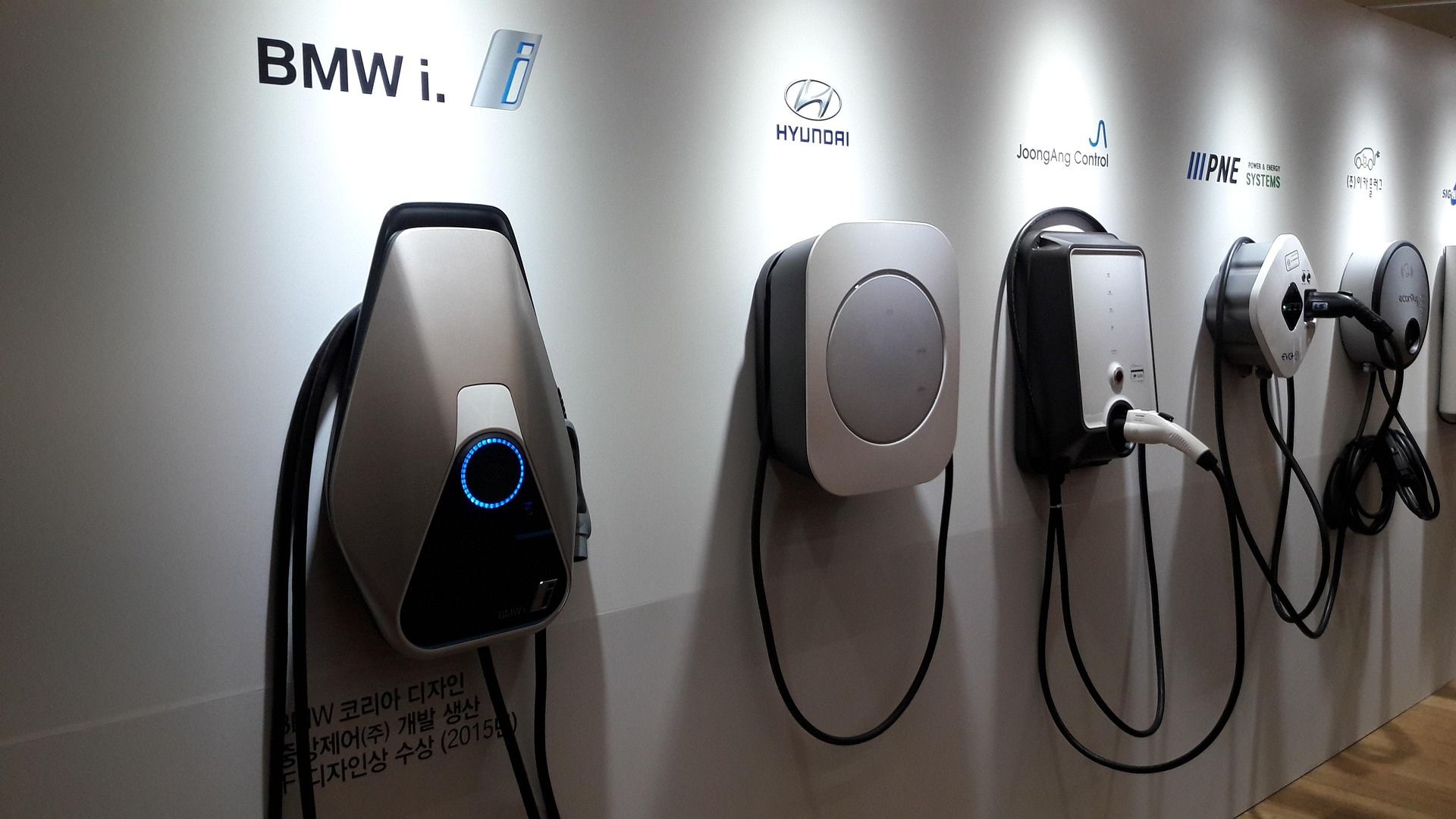
The best home EV chargers for Colorado
Best overall
ChargePoint Home FlexAdjustable from 16 up to 50 amps, which means it fits almost any panel and can be dialled up later if you upgrade your service. J1772 or NACS at purchase. The app is the most polished in the category, with cost tracking and scheduling that hold on the device when the network drops. Installers consistently report lower early failure rates than the budget end of the market. Trade off: it carries a premium over the value options, and the housing is lighter than the industrial units. |
Best for Colorado weather
Grizzl-E ClassicBuilt like industrial equipment rather than a smart home gadget. Aluminium enclosure, NEMA 4 rated, and an operating range down to minus 22 Fahrenheit, which is the specification that matters for a detached garage in a Front Range winter. Up to 40 amps. There are no electronics to fail, which is exactly the point. Trade off: no app, no network features, no scheduling. If your utility rebate requires a networked or ENERGY STAR unit, check eligibility before buying. |
Best for a limited panel
Emporia ProFull 48 amp output with dynamic load management, aimed squarely at homes on 100 or 150 amp service that cannot easily support a dedicated 60 amp circuit. Where it works, it can avoid a service upgrade entirely, which is a far larger saving than the price difference between chargers. Trade off: installers report higher early failure rates than ChargePoint or Tesla hardware. Load management is also not a fix for a genuinely unsafe panel. If yours is an old Federal Pacific or Zinsco, the honest answer is replacement, not a smart charger layered over the top. |
Best for Tesla
Tesla Wall Connector and Universal Wall ConnectorUp to 48 amps, slim cable, native app integration, and power sharing across multiple units for two car households. The Universal version handles both NACS and J1772, which makes it the sensible pick for a mixed garage or a household likely to add a non Tesla later. Full detail in our Tesla Wall Connector installation guide. Trade off: the standard Wall Connector is NACS only, so a non Tesla needs an adapter. |
Best compact
Wallbox Pulsar PlusForty eight amps in roughly the footprint of a hardback book, with dynamic load management built in. The right answer for a tight garage, a condo space, or a wall where a larger unit would block storage or a car door. Trade off: independent cold weather testing found the cable stiffens badly after an overnight freeze, which makes it a better fit for a heated garage than an exposed wall in Colorado. |
EV charger rebates in Colorado for 2026
Be careful with older guidance here, including some still published by charger manufacturers. The position as of 2026:
The federal 30C tax credit ended for equipment placed in service after June 30, 2026, per IRS guidance. Colorado has no statewide tax credit for charging equipment. And Charge Ahead Colorado, which some pages cite for residential rebates, is a grant programme for multifamily, workplace, and public charging. Homeowners are not eligible.
What does apply is utility money. Xcel Energy offers up to $500 toward wiring and equipment, rising to $1,300 for income qualified customers, with off peak enrollment required. The CARe programme covers part of an ENERGY STAR certified Level 2 charger. Holy Cross Energy, Black Hills Energy, United Power, and other cooperatives run their own, generally requiring a managed charger and a time of use rate.
That last condition is why the rebate check belongs before the purchase. A no frills unit can be the better charger and still cost you the rebate. Details are in how to claim EV charger rebates in Colorado.
Installation in Colorado, and what it costs
Buying the charger is the easy half. A licensed electrician confirms your panel can carry an additional 40 or 48 amp circuit, pulls the permit, runs the circuit, mounts and terminates the unit, and attends the inspection.
A straightforward installation runs about $500 to $1,600 including the charger. Complex routing pushes labor toward $2,500, trenching to a detached garage adds $500 to $2,000, and a service upgrade adds $1,500 to $4,500. Full breakdown in our EV charger installation cost guide, and the timeline is covered in how long installation takes.
Mistakes we see homeowners make
- Buying the charger before the load calculation. A 48 amp unit on a panel that cannot carry it is a return, or an expensive upgrade you had not budgeted for.
- Choosing hardware before checking rebate eligibility. Some programmes require a networked or ENERGY STAR certified unit.
- Skipping the permit. It protects your insurance position and your resale value, and it costs very little inside a full quote.
- Ignoring cold ratings. An enclosure rating covers water, not temperature. Those are separate specifications.
- Buying too small to save money. A 16 amp unit is cheap and will not keep up with a daily commute through a Colorado winter.
Maintenance and safety
Keep the cable off the ground on a wall mounted holster, avoid sharp bends in cold weather when the jacket is least flexible, keep the connector pins clean and dry, and have the panel inspected periodically as you add load to the house.
Frequently asked questions
What is the best Level 2 EV charger for a home in Colorado?For most homeowners the ChargePoint Home Flex, because adjustable amperage suits almost any panel and the app is the most dependable. If the charger will live outdoors or in an unheated garage, the Grizzl-E Classic is the more sensible choice for its cold rating. |
Do I need to upgrade my electrical panel?Not always. If your service can carry a new 40 or 48 amp circuit, no upgrade is needed. If the panel is full or the service is 100 amps and already loaded, either an upgrade or a charger with dynamic load management will be required. A load calculation settles it. |
What is the North American Charging Standard?NACS is the connector Tesla developed, now adopted by most major manufacturers. Many EVs still use J1772. Several chargers are sold in either configuration, and the Tesla Universal Wall Connector supports both without an adapter. |
How fast will a Level 2 charger fill my battery?A 40 amp charger adds roughly thirty miles of range per hour and a 48 amp charger roughly forty. The actual rate is capped by your vehicle’s onboard charger, so a car limited to 32 amps will not go faster on a 48 amp unit. |
Can I mount an EV charger outside in Colorado?Yes, with a NEMA 3R or NEMA 4 rated unit, weatherproofed terminations, and placement clear of downspouts and snowmelt. Also check the operating temperature range, because enclosure rating and cold tolerance are different specifications. |
Are EV charger rebates still available in Colorado?Utility rebates, yes. The federal 30C credit ended on June 30, 2026, and Colorado has no statewide charger tax credit. Xcel Energy, the CARe programme, and several electric cooperatives still offer support, most of them conditional on the charger model and on enrolling in an off peak or time of use rate. |
Electrical work beyond EV charging
EV charging is all we do. For whole home rewiring, standby generators, lighting, or emergency electrical service across the Front Range, our partner The Electricians covers the rest.