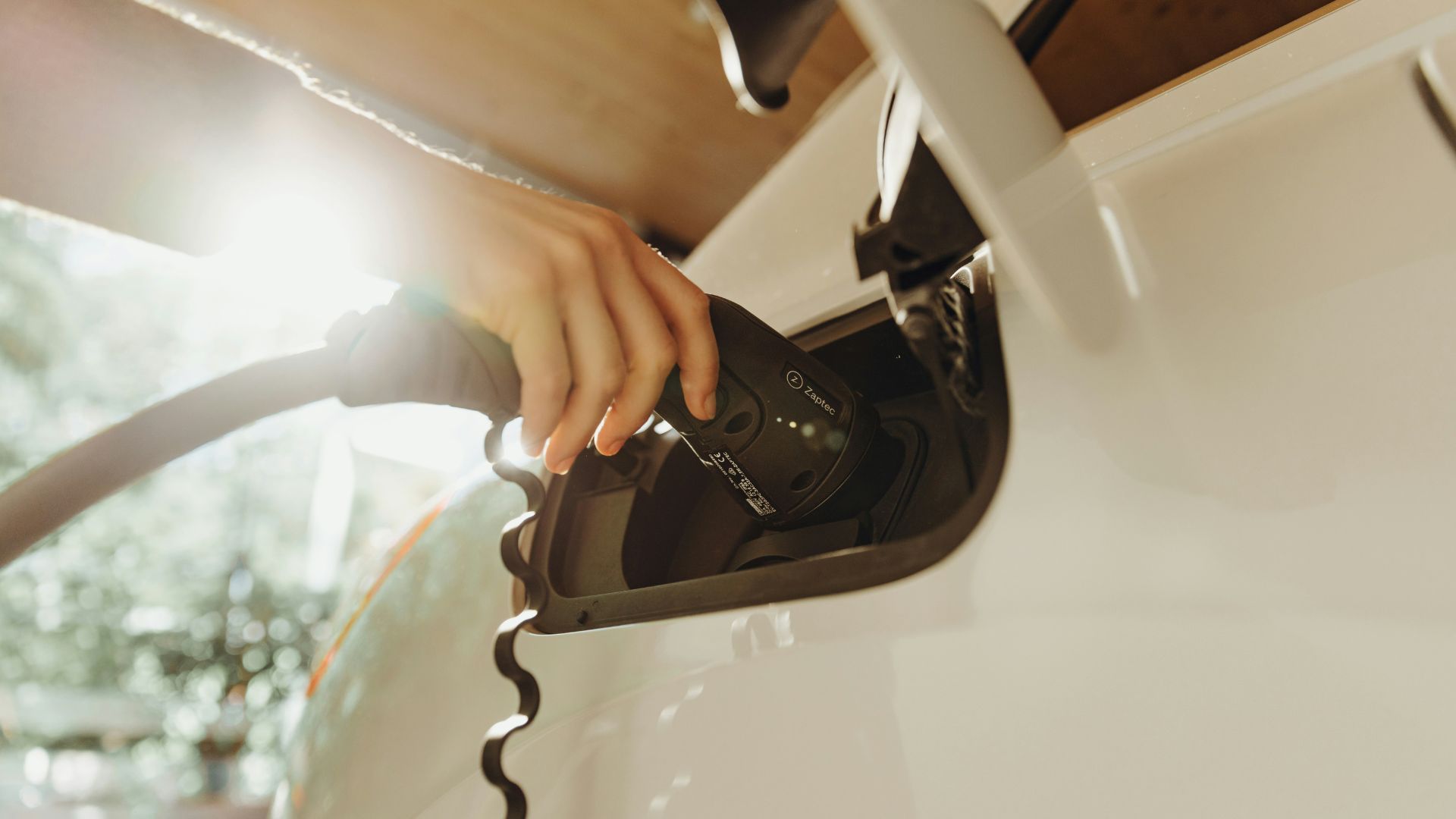
EV Charger Electrical Load: Do You Have Enough Power?
Installing a Level 2 EV charger at home is one of the biggest upgrades you can make for convenience, speed, and long-term savings. But before an electrician mounts a charger on your wall, there is one critical question:
Does your home actually have enough electrical capacity to support it?
Many Colorado homes do, but many don’t—and the only way to know is through a proper EV charger electrical load calculation.
This step determines whether your electrical panel can safely power a Level 2 charger without overloading your system, tripping breakers, or creating a fire hazard.
If you’re wondering whether you need a panel upgrade, a 200-amp service, or a load management device, this guide walks you through everything you need to know before installing a home EV charger.
Why Electrical Load Matters for EV Charging
A Level 2 EV charger is a dedicated, high-amperage appliance, similar to installing a hot tub or electric range. Unlike standard household outlets, these chargers require a continuous load of 32 to 48 amps—sometimes up to 60 amps depending on your model.
That means your electrical system must have enough unused power to support the charger safely and consistently.
A proper load assessment prevents:
- Overloaded electrical panels
- Breakers that trip when HVAC or appliances turn on
- Overheating service wires
- Failed inspections
- Voided charger warranties
- Higher installation costs down the road
Skipping a load calculation is one of the fastest ways to turn a simple installation into a complex one.
How Much Power Does an EV Charger Need?
Most Level 2 home chargers fall into three common categories:
32-amp chargers (40-amp circuit)
Found on many universal Level 2 chargers. Good for overnight charging.
40-amp chargers (50-amp circuit)
A popular choice for Tesla, ChargePoint, Wallbox, and many mid-range EVs.
48-amp chargers (60-amp circuit)
Faster charging, ideal for Teslas and large-battery EVs.
What the numbers mean
EV chargers are considered continuous loads, meaning they run for three or more hours at a time. The National Electric Code (NEC) requires that continuous loads use only 80 percent of a circuit’s rating.
Example:
A 40-amp charger requires a 50-amp breaker.
This requirement is one reason your panel may not have enough available power—even if it seems like it should.
How Electricians Calculate Your Home’s Electrical Load
A licensed electrician will perform a load calculation to determine if your service can support an EV charger. This is the heart of the process and one of the biggest differences between a qualified EV installer and someone who says, “I install everything.”
A load calculation includes:
1. Your main service size
Most Colorado homes fall into three categories:
- 100-amp service: Common in older homes
- 150-amp service: Transitional / built in the 80s–2000s
- 200-amp service: Standard in modern homes
100-amp homes almost always need upgrades or load management to support EV charging.
2. Total connected loads
Electricians evaluate major appliances, including:
- Furnace or boiler
- Air conditioning or heat pump
- Electric water heater
- Range and oven
- Clothes dryer
- Hot tub or sauna
- Well pump (if applicable)
- Secondary refrigerators or freezers
They also include “general lighting load” as required by code.
3. Diversity and demand factors
The NEC allows electricians to apply demand factors because most appliances are not running simultaneously. A professional will calculate a realistic maximum load—not just a simple total of every breaker number.
4. Available capacity
Your EV charger becomes part of this calculation.
The question becomes:
After accounting for everything else in your home, does your electrical system have enough remaining amperage to support an additional 40-60 amp load?
If yes, the installation is simple.
If no, you have several options.
When You Need a 200-Amp Electrical Panel for an EV Charger
A 200-amp service is not required for all homes, but it is becoming the new standard—especially for EV owners.
You likely need a 200-amp upgrade if:
- Your home currently has a 100-amp service
- You want a high-power charger (48 amps or higher)
- You plan to install multiple chargers in the future
- You are adding other electrical upgrades (AC, hot tub, heat pump, etc.)
- Your load calculation is borderline with no room for expansion
Many Colorado homeowners discover during a load calculation that their electrical service is already close to maxed out—especially older homes in Denver, Lakewood, Boulder, and Colorado Springs.
A panel upgrade ensures:
- Safe operation
- Additional capacity for future home improvements
- Better resale value
- Faster charging without risking electrical failures
When You Don’t Need a Panel Upgrade
Not every home needs a 200-amp panel. If your load calculation shows enough spare capacity, you can install a Level 2 charger without upgrading anything.
Ideal candidates include:
- Newer homes with 200-amp service
- Homes with minimal electric heating or large appliances
- Homes choosing a lower-amp charger (32 or 40 amps)
- Homes using smart load-sharing features
Even some 100-amp homes can support EV charging with the help of load management devices.
Smart Load Management: A Great Alternative to Panel Upgrades
If your electrical panel is tight on capacity but not dangerously overloaded, load management may be a perfect solution.
What it does
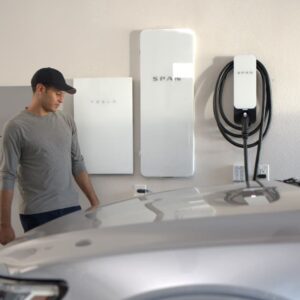
A load management device monitors your electrical usage and automatically reduces or pauses EV charging if your home approaches its maximum load. Once the load drops, charging resumes.
This lets homeowners install EV chargers without upgrading their service, and it complies fully with NEC requirements when installed correctly.
Ideal for:
- Older homes with no room on the panel
- Condos or townhomes where upgrades aren’t allowed
- Cost-conscious homeowners looking to avoid panel upgrades
- Homes with seasonal loads (AC in summer, heat in winter)
Many EV chargers, including Tesla and ChargePoint models, offer smart load balancing features built in.

Signs Your Home May Not Have Enough Power for EV Charging
You may need an electrical upgrade if you experience:
- Breakers tripping when multiple appliances run
- Lights dimming when AC or heat kicks on
- Warm breakers or panel hot spots
- Lack of open breaker space
- A 100-amp panel in an all-electric home
- A home built before the 1970s
Even if none of these apply, a load calculation is still required to verify capacity.
How an Electrician Determines the Best Charging Option for Your Home
A qualified electrician will walk you through:
1. Whether your panel has enough capacity
Load calculation results determine whether the installation is simple, moderate, or complex.
2. What size charger your home can support
Sometimes lowering your charger amperage is the safest and most cost-effective option.
3. Whether you need a panel upgrade or service upgrade
Your electrician will advise when upgrades are required and when alternatives can work.
4. The best mounting location for safety and convenience
Garage, exterior wall, or detached structure—each has specific electrical requirements.
5. Total cost for installation
Costs vary widely depending on panel capacity, wiring distance, and whether upgrades are needed.
For reference, Colorado homeowners typically see:
- Simple installations: $1,000 to $2,000
- Moderate installations: $1,500 to $4,000
- Complex installations: $4,000+
Panel upgrades generally fall between $2,500 and $6,500+, depending on home size and service complexity.
Do You Have Enough Power? How to Find Out
The only way to know whether your home can support a Level 2 charger is to schedule a professional load calculation and panel assessment. This evaluation takes 20 to 45 minutes and gives you a clear answer:
- You have enough capacity
- You need minor upgrades
- You need a full panel upgrade
- You need smart load management
Once the load assessment is complete, your electrician can recommend the safest and most cost-effective installation option.
Ensure Your Home Is Ready for EV Charging
A home EV charger only works as well as the electrical system powering it. Understanding your panel capacity and electrical load ensures:
- Faster charging
- Fewer electrical issues
- Safe operation
- Full compliance with Colorado electrical codes
- Long-term reliability
If you’re planning to install an EV charger and want to know whether your home has enough electrical capacity, scheduling a professional load calculation is the first step.
It protects your investment and helps you choose the right installation path—whether that means a simple circuit, load management, or a full 200-amp upgrade.