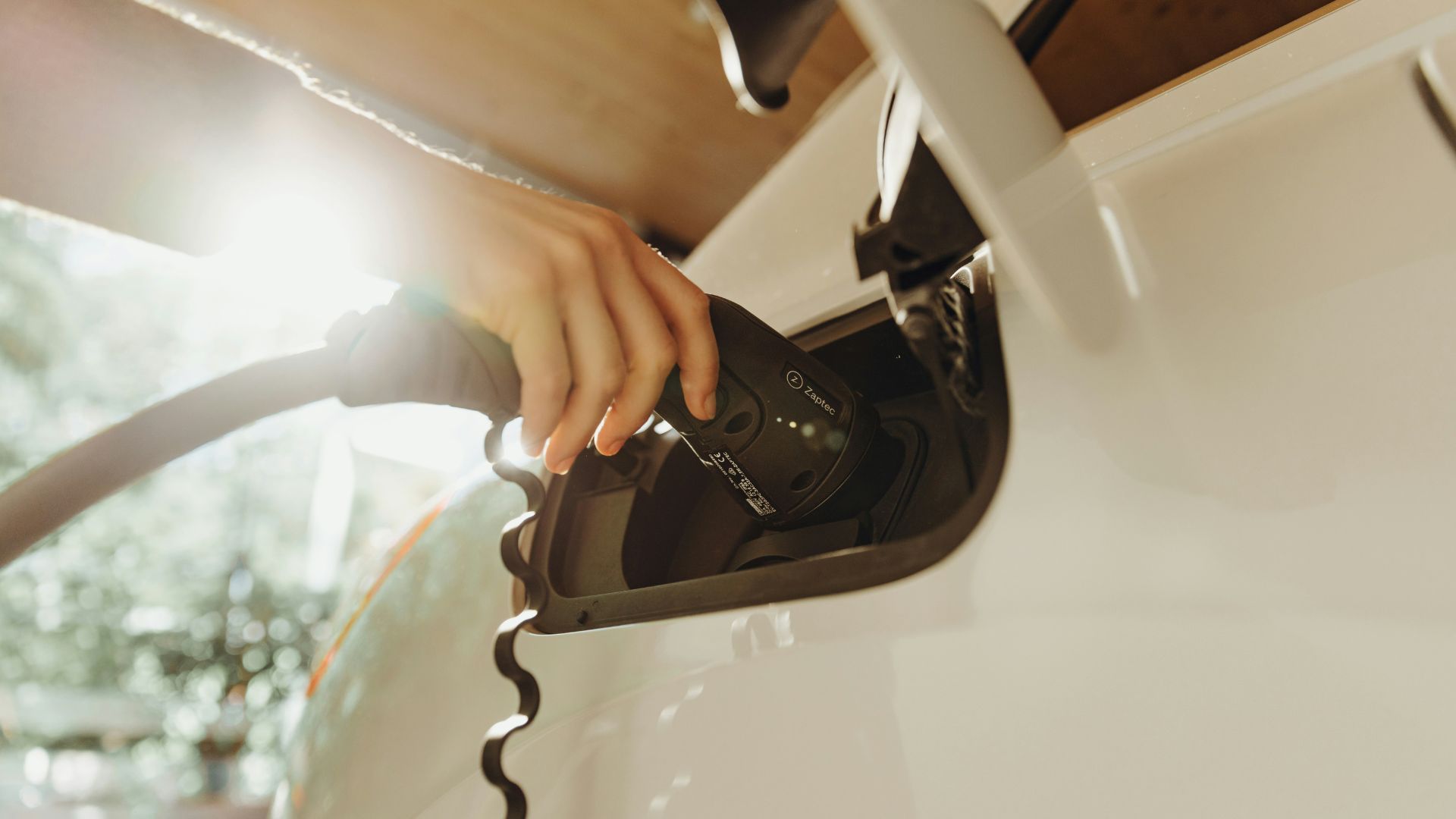
Can My Garage Support an EV Charger?
Buying an electric vehicle is exciting, but many Colorado homeowners wonder the same thing before scheduling an installation:
Can my garage support an EV charger?
The good news is that most garages can support a Level 2 EV charger, even if they’re older, detached, unfinished, or don’t currently have a 240-volt outlet. Every home is different, though, and factors like your electrical panel, garage location, wiring distance, and available electrical capacity all play a role.
In this guide, we’ll walk through the most common garage setups, explain what may be required for installation, and help you understand what to expect before scheduling your EV charger installation.
Most Garages Can Support an EV Charger
One of the biggest misconceptions is that your garage must already have special wiring or a dedicated 240-volt outlet.
In reality, licensed electricians install EV chargers in garages every day that have:
- No existing 240V outlet
- Finished drywall
- Detached garages
- Outdoor parking spaces
- Long driveway runs
- Older electrical panels
- New construction homes
- Homes over 50 years old
The installation simply needs to be designed around your home’s existing electrical system while following the latest National Electrical Code (NEC) and local Colorado permitting requirements.
The First Thing to Check: Your Electrical Panel
Before looking at the garage itself, your electrician will inspect your home’s main electrical panel.
They’ll determine:
- Available electrical capacity
- Existing breaker space
- Service size (100A, 125A, 150A, 200A, etc.)
- Overall condition of the panel
- Whether load calculations support another large circuit
Many newer Colorado homes already have a 200-amp service, making EV charger installation relatively straightforward.
Older homes with 100-amp panels may still support a charger, but sometimes require load management equipment or a panel upgrade depending on household electrical demand.
If you’re unsure, read our guide on Do I Need to Upgrade My Electrical Panel for an EV Charger?
Can a Detached Garage Support an EV Charger?
Absolutely.
Detached garages are one of the most common installations we perform.
Your electrician may install:
- Underground conduit
- Trenching between the house and garage
- New subpanel
- Larger feeder conductors
- Dedicated EV charging circuit
The overall cost depends primarily on the distance between the main electrical panel and the detached garage.
While detached garages typically cost more than attached garages, they rarely prevent an EV charger from being installed.
What If My Garage Is Finished?
Finished garages are extremely common.
Professional electricians use several methods to keep installations clean, including:
- Fishing wire behind drywall
- Routing wiring through attics or crawl spaces
- Surface-mounted conduit where appropriate
- Matching conduit placement for a clean appearance
Most finished garages require only minimal drywall repair, if any.
An experienced installer can usually create a professional-looking installation that blends with the garage.
What If My Garage Has No Drywall?
An unfinished garage is often easier to work in.
Open framing provides direct access to:
- Stud bays
- Ceiling joists
- Existing wiring
- Service panels
Because fewer obstacles exist, installation may actually take less time than in a finished garage.
Many homeowners also appreciate the easier future access for additional electrical upgrades.
What About Long Conduit Runs?
Some homes require running conduit:
- Across the basement
- Through crawl spaces
- Around finished living areas
- Across the exterior of the home
- Along side yards
- Across long driveways
Longer runs increase:
- Material costs
- Installation time
- Conductor sizing requirements
- Voltage drop considerations
However, long conduit runs are very common and rarely prevent installation.
A properly designed circuit ensures your charger performs safely regardless of the distance.
Can I Charge Outside Instead of Inside?
Yes.
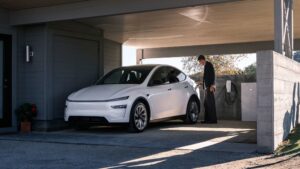
Many Colorado homeowners park in:
- Driveways
- Carports
- Outdoor parking pads
- Side yards
Modern Level 2 EV chargers are designed for outdoor installation and are built to withstand:
- Snow
- Ice
- Rain
- UV exposure
- Colorado temperature swings
Your electrician will install weather-rated equipment and ensure all wiring and conduit meet code for exterior installations.
Outdoor charging is often just as convenient as charging inside a garage.
Can I Use an Existing Outlet?
Sometimes.
Many homeowners already have:
- Dryer outlets
- RV outlets
- NEMA 14-50 receptacles
- Workshop outlets
While these outlets may appear suitable, they aren’t always located on the correct circuit or protected by the proper breaker.
A licensed electrician should verify:
- Circuit size
- Wire size
- Breaker rating
- Grounding
- Outlet condition
- Code compliance
In many cases, an existing outlet can be reused or upgraded, reducing installation costs.
Other Factors That Affect Installation
Every home is unique.
Additional considerations include:
- Distance from the electrical panel
- Utility requirements
- Permit requirements
- HOA restrictions
- Future EV purchases
- Charger brand compatibility
- Wi-Fi availability for smart chargers
- Whole-home surge protection
- Electrical service capacity
These factors help determine the best installation method for your home.
Common Garage Scenarios
| Garage Type | Can It Support an EV Charger? | Typical Solution |
|---|---|---|
| Attached garage | ✅ Yes | Dedicated 240V circuit |
| Detached garage | ✅ Yes | Underground feeder or subpanel |
| Finished garage | ✅ Yes | Concealed wiring where possible |
| Unfinished garage | ✅ Yes | Open framing installation |
| Outdoor parking | ✅ Yes | Weather-rated charger installation |
Questions to Ask Before Installation
| Question | Why It Matters |
|---|---|
| How far is the garage from the panel? | Affects wiring cost and installation method. |
| How large is my electrical service? | Determines available capacity for charging. |
| Will I own more than one EV? | May influence charger size and future planning. |
| Do I already have a 240V outlet? | An existing circuit may reduce installation costs. |
| Do I qualify for rebates? | Could lower your overall project cost. |
Why Professional Installation Matters
An EV charger draws more power than almost any other appliance in your home.
Proper installation includes:
- Electrical load calculations
- Correct breaker sizing
- Proper wire sizing
- Grounding and bonding
- GFCI protection where required
- Manufacturer compliance
- Local permits
- Final inspection
Hiring a licensed Colorado electrician helps ensure your charger operates safely, efficiently, and reliably for years to come.
Schedule Your Colorado EV Charger Installation
If you’re wondering whether your garage can support an EV charger, the answer is usually yes.
Whether you have a detached garage, an unfinished space, outdoor parking, or an older home, a professional evaluation can determine the safest and most cost-effective installation method.
At GO EV Colorado, we install Level 2 EV chargers throughout the Denver metro area and surrounding communities. Our licensed electricians will evaluate your electrical system, recommend the best solution for your home, and complete a code-compliant installation built for years of reliable charging.
Contact GO EV Colorado today to schedule your EV charger installation estimate.