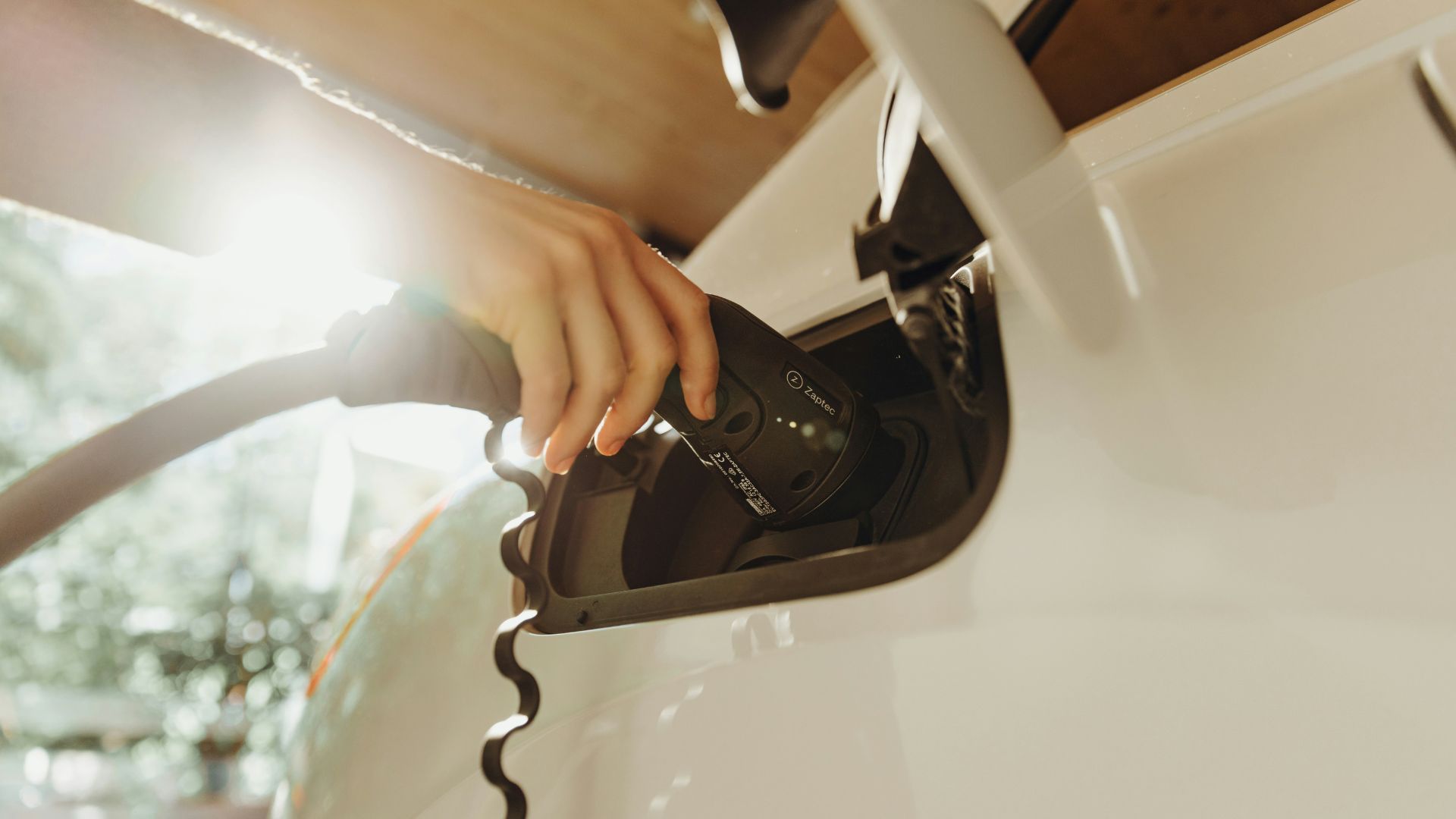
Level 1 vs Level 2 Charging: Which is Best for Your Home?
The short answer
Level 1 charging uses a standard 120 volt outlet and adds three to five miles of range per hour. Level 2 uses a dedicated 240 volt circuit and adds twenty five to forty miles per hour. If you drive more than about forty miles a day, or you share the car, Level 2 is the one worth installing. Below forty miles a day, Level 1 can genuinely be enough.
Owning an electric vehicle comes with real advantages. No gas stations, lower maintenance, and a cleaner drive. Charging at home is where it gets less obvious, and the first question most new EV owners run into is whether to stay with the Level 1 cord that came in the trunk or install a Level 2 charger.
The answer depends on your daily mileage, how many people drive the car, and what your electrical panel can support. Here is how the two compare for a Colorado home.
What is Level 1 charging?
Level 1 charging is the simplest way to power an EV. The cord plugs into a standard 120 volt household outlet, the same kind that runs a coffee maker. Nothing gets installed and nothing gets permitted.
- Charging speed: roughly three to five miles of range per hour
- Setup: plug in and go, no installation required
- Best for: plug in hybrids, second vehicles, and drivers covering fewer than forty miles a day
The appeal is that it costs nothing to start. The limitation is arithmetic. Recovering a fully depleted battery on Level 1 takes most of two to three days, and if you drive fifty miles on a weekday you will never quite catch up overnight.
One practical caution. A Level 1 cord draws a continuous load for many hours, and most household outlets sit on general purpose circuits never designed for that duty cycle. If you charge this way daily, use a dedicated outlet on a healthy circuit rather than an extension lead or a shared bedroom receptacle.

What is Level 2 charging?
A Level 2 charger runs on a 240 volt connection, the same class of circuit that serves a clothes dryer or an electric range. It needs a dedicated circuit, a permit, and a licensed electrician.
- Charging speed: roughly twenty five to forty miles of range per hour
- Setup: installed and inspected by a licensed electrician
- Best for: daily drivers, multi driver households, and anyone who wants the car full every morning
Level 2 units also support scheduled charging, which matters more in Colorado than people expect. Most utility rebate programs require you to charge during off peak windows, and a smart charger handles that automatically rather than relying on you to remember.
Level 1 vs Level 2 charging, side by side
| Feature | Level 1 charger | Level 2 charger |
|---|---|---|
| Voltage | 120 volt standard outlet | 240 volt dedicated circuit |
| Range added per hour | 3 to 5 miles | 25 to 40 miles |
| Full charge from empty | 40 to 80 hours | 6 to 12 hours |
| Installation | None required | Licensed electrician and permit |
| Cost | Cord included with most EVs | $500 to $1,600 typical, unit and install |
| Utility rebates | Not eligible | Eligible |
| Best for | Under 40 miles a day | Commuters and shared vehicles |
Which EV charger is best for Colorado homeowners?
If you drive a handful of miles a day and do not mind waiting, Level 1 may genuinely be enough. For most Colorado households, where commutes are long and a weekend in the mountains can empty most of a battery, Level 2 removes the planning entirely.
A useful way to picture it: Level 1 is filling a bathtub with a trickle from the tap. Level 2 is opening the faucet properly. Most drivers who start on Level 1 upgrade within a year, usually after their first winter, when cold weather cuts effective range and the trickle stops keeping up.
Do I need a panel upgrade for Level 2 charging?
Sometimes. A Level 2 charger draws considerably more power, and older Colorado homes on a 100 amp service are often already close to capacity. A licensed electrician runs a load calculation to confirm whether the service can carry a forty to sixty amp circuit on top of everything else.
If it cannot, there are two paths. A full service upgrade, or load management equipment that throttles the charger when the house is drawing hard, which sometimes avoids the upgrade entirely. GO EV Colorado handles the charger and any panel work together, so you are not coordinating two contractors.
Colorado rebates for Level 2 chargers in 2026
Rebates are a real argument for Level 2, but the picture changed in mid 2026 and a lot of published guidance is out of date. Here is where it stands.
The federal 30C tax credit ended for equipment placed in service after June 30, 2026, per IRS guidance. Colorado has never had a statewide tax credit for charging equipment, despite what several sites still claim.
What remains is utility money, and it is worth having. Xcel Energy offers up to $500 toward wiring and equipment, rising to $1,300 for income qualified customers, with off peak enrollment required. The CARe program covers part of an ENERGY STAR Level 2 charger. Holy Cross Energy, Black Hills Energy, United Power, and Poudre Valley REA run their own programs, generally requiring a managed charger and a time of use rate.
Note the pattern: none of these apply to Level 1. Rebates only exist for permitted Level 2 installations by a licensed electrician, which changes the real cost comparison considerably. Our full walkthrough is here: how to claim EV charger rebates in Colorado.
Level 1 vs Level 2 charging FAQs
Is Level 1 charging bad for my car battery?No. Level 1 is slow but gentle, and it is arguably the least stressful way to charge a lithium pack. The only real drawback is the time it takes. |
How much does it cost to install a Level 2 charger in Colorado?A standard installation runs about $500 to $1,600 including the charger and straightforward labor. Complex routing or a service upgrade pushes it higher. Full ranges are in our EV charger installation cost guide. |
Can I install a Level 2 charger myself?No. Level 2 requires a 240 volt circuit, Colorado requires a permit, and a homeowner cannot pull that permit. Beyond the legal position, working inside an energised panel is genuinely hazardous. Using a licensed electrician is also what makes you eligible for utility rebates. |
Which cars work with Level 2 chargers?Every modern EV. Some vehicles need a J1772 or NACS adapter depending on the connector, but compatibility is not a practical concern. |
Is it cheaper to charge with Level 1 or Level 2?The electricity costs the same per kilowatt hour either way. Level 2 can actually work out cheaper in practice, because scheduled charging lets you shift the whole session into an off peak window where Colorado utilities discount the rate. |
Is Level 2 charging bad for an EV battery?No. Level 2 is designed for daily use and will not damage the pack. Heavy reliance on DC fast charging can accelerate degradation slightly over years, which is why Level 2 at home is the sensible default. |
Do I really need a Level 2 charger at home?Not always. Under about forty miles a day, Level 1 is workable. If you commute, share the car, or simply do not want to think about it, Level 2 is the upgrade that makes the vehicle feel effortless. |
The bottom line
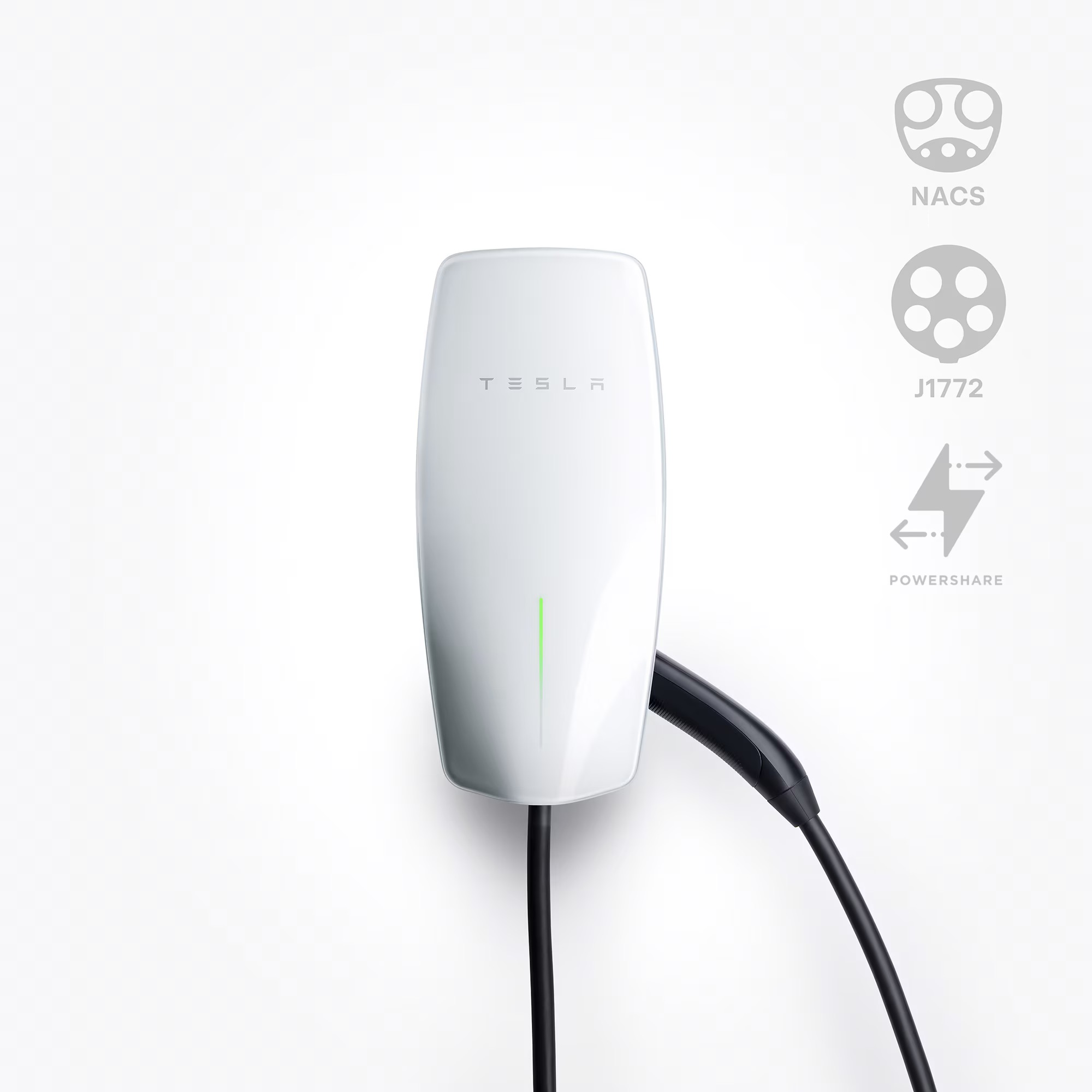
Level 1 against Level 2 comes down to how far you drive and how much you want to think about charging. Below forty miles a day, the cord in the trunk is genuinely fine. Above that, or with more than one driver, Level 2 is the difference between managing the car and forgetting about it.
For most Colorado homeowners the case is straightforward. Level 2 is faster, works with off peak rates, and is the only option that qualifies for utility rebates. If you want the full process explained first, read our EV charger installation guide.